Toronto Architecture Tour by Hop-On Hop-Off Bus
Explore Toronto's architecture timeline from heritage brick districts to contemporary glass towers using HOHO stops.
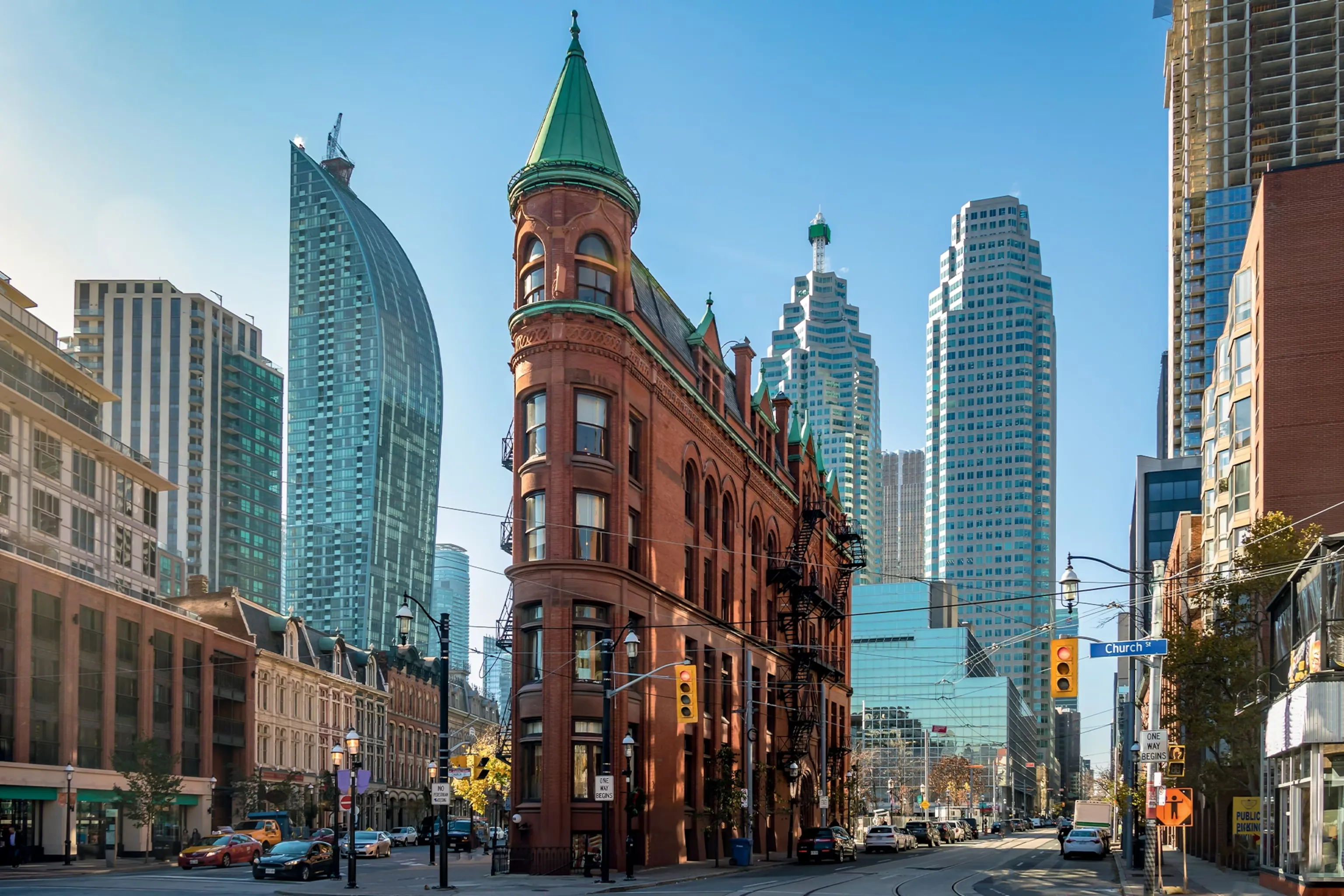
Toronto is an architectural conversation between centuries. The bus acts like a moving lecture hall, but with skyline views.
Reading the city in layers
- 19th century: narrow brick plots, ornamented facades.
- 20th century: civic confidence, vertical growth.
- 21st century: reflective towers, mixed-use density.
Essential architecture hops
- Gooderham Building area
- Financial District edges
- Distillery District lanes
- University and museum corridors
The city is most readable when you compare old and new within one hour.
Quick style legend
| Era | Materials | Mood |
|---|---|---|
| Victorian | Brick, stone | Textured, human-scale |
| Mid-century | Concrete, steel | Institutional, bold |
| Contemporary | Glass, composite | Light, vertical, fluid |
By the end of the loop, Toronto feels less like a skyline photo and more like a timeline you can physically ride through.
How to read façades while moving
On a bus, architecture can blur unless you choose one detail category at a time. Spend one segment looking only at rooflines. Spend the next segment watching window proportions. Then track ground-floor use: cafés, lobbies, retail, service entries. Suddenly, buildings stop being background and start becoming clues.
The city reveals priorities in materials: permanence, efficiency, spectacle, adaptation.
A short reflective exercise
After three major stops, ask yourself two questions:
- Which district feels oldest, and why?
- Which buildings feel welcoming at street level?
This turns passive sightseeing into active urban reading. Toronto’s most interesting design story is not “old versus new,” but how both coexist block by block, each era negotiating space with the next.
That tension is what makes the route visually rich from start to finish.
Về tác giả

Toronto City Tour Editor
Cẩm nang này được xây dựng để giúp du khách hiểu cách tour tham quan thành phố Toronto hop-on hop-off vận hành trong thực tế—vượt ra ngoài các điểm nhấn quảng bá—để bạn có thể tự tin lên kế hoạch, chọn điểm dừng thông minh và tận hưởng thành phố trong nhịp độ thoải mái.
Tags
Comments (0)
Loading comments...