Toronto Transit History: From Trolleys to HOHO Tours
Discover how Toronto's streetcar legacy shaped modern city touring, mobility culture, and hop-on hop-off experiences.
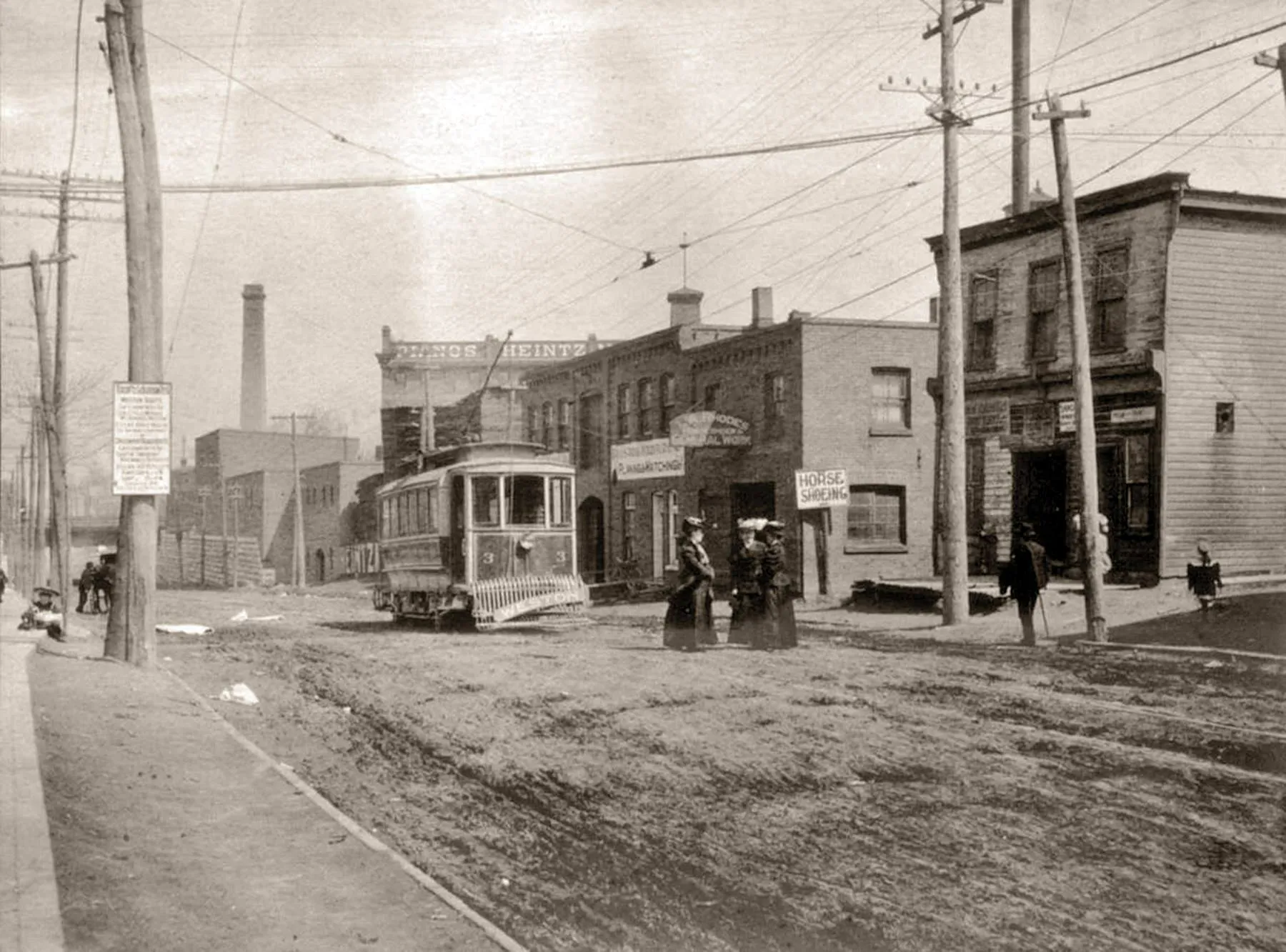
Toronto has always been a city experienced in motion. Long before selfie sticks and open-top decks, residents moved through the city by streetcar, reading neighborhoods through windows and stops.
Then and now
- Then: practical commuting, industrial growth, local trade corridors.
- Now: narrative travel, curated loops, cultural stopovers.
What remained the same
- Stops still define neighborhood identity.
- Transit lines still shape business life.
- The window view still teaches the city.
A small historical timeline
| Period | Mobility character |
|---|---|
| Early 1900s | Expanding electric streetcar network |
| Mid-century | Car-centric growth with transit persistence |
| Today | Multimodal city with tourism circuits |
History is not only in museums; it is in the routes we continue to ride.
Riding the hop-on hop-off bus after viewing archival imagery creates a compelling contrast: same ambition, different speed, broader audience.
Looking for historical echoes on modern streets
As you ride, notice where old transit logic still survives: commercial corridors clustering around key intersections, civic institutions near long-standing routes, and neighborhoods that still orient daily life around reliable movement rather than car convenience.
The technology changed, but the urban pattern often did not.
A narrative lens for your day
Try pairing each modern stop with one historical question:
- What kind of traveler used this corridor 100 years ago?
- Which buildings likely served transit users then and now?
- How does public space around this stop signal continuity or change?
This approach deepens the experience without slowing it down. The bus remains practical transport, yet each window view carries a subtle archival layer. Toronto starts reading like a living document where every block contains edits from another era.
That is when history feels present tense.
À propos de l’auteur

Urban History Desk
Ce guide est conçu pour aider les visiteurs à comprendre concrètement comment fonctionnent les tours hop-on hop-off de Toronto au-delà du discours promotionnel, afin de planifier avec confiance, choisir les bons arrêts et profiter de la ville à un rythme confortable.
Tags
Comments (0)
Loading comments...